


In a time when health threats come in many forms, it’s more important than ever to stay informed and proactive.
One viral illness that’s been gaining attention recently is MPOX, also known as Monkeypox. While it might sound like a rare concern, MPOX can affect anyone through close contact or even shared items.
What Is MPOX, Really?
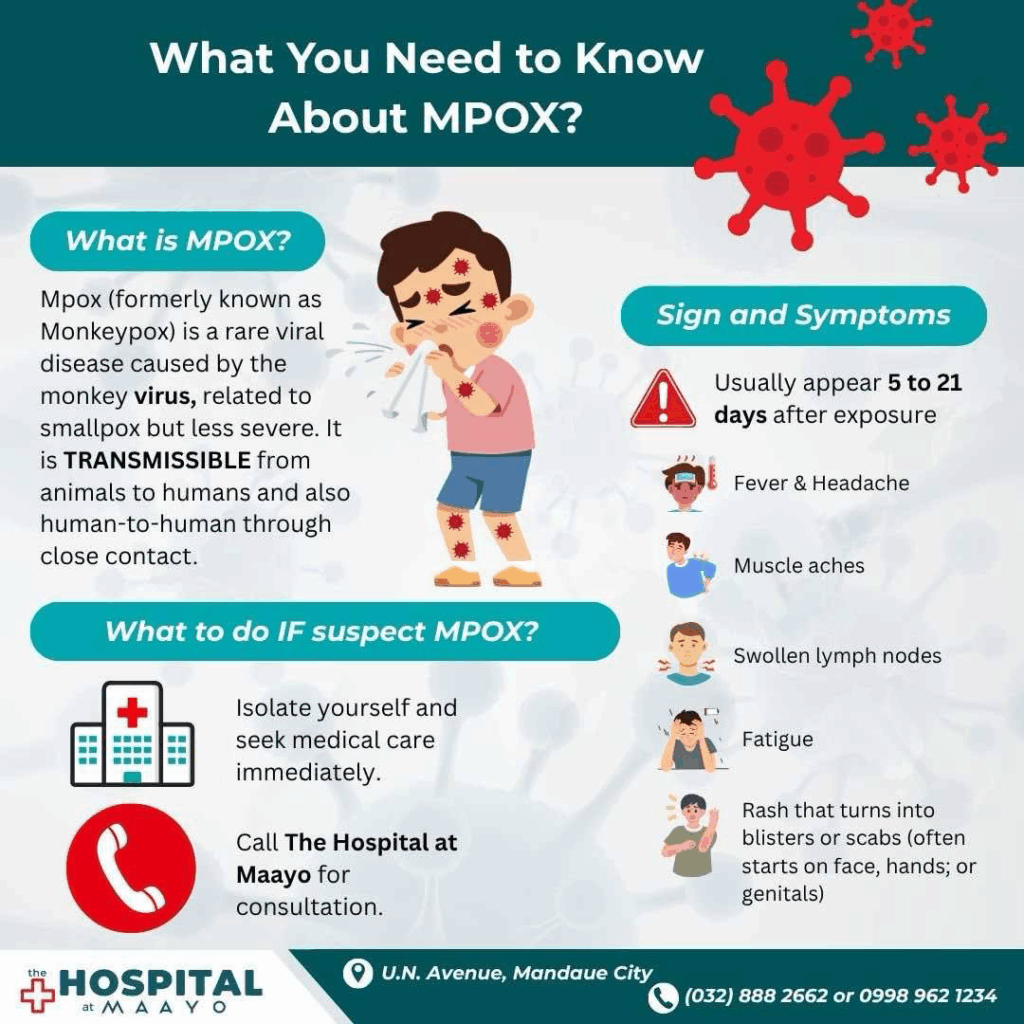
MPOX is a rare but increasingly observed viral disease caused by the monkeypox virus, which is related to smallpox but generally less severe. What makes it a public concern is that it’s transmissible, meaning it can be passed from animals to humans, and more commonly now, from human to human through close contact.
This includes:
- Direct contact with rashes or body fluids
- Respiratory secretions, such as sneezing or coughing
- Contaminated objects or surfaces, like towels, bedding, or utensils
- Infected animals, especially wild or exotic ones
Symptoms usually appear 5 to 21 days after exposure and often mimic common illnesses at first, such as fever, muscle aches, swollen lymph nodes, and fatigue. However, a distinctive rash that evolves into blisters or scabs (often on the face, hands, or genitals) is a major red flag.
And while MPOX isn’t as contagious as the flu or COVID-19, underestimating it would be a mistake. Left unaddressed, it can lead to discomfort, missed workdays, and unintentional spread to others.
How to Protect Yourself from MPOX
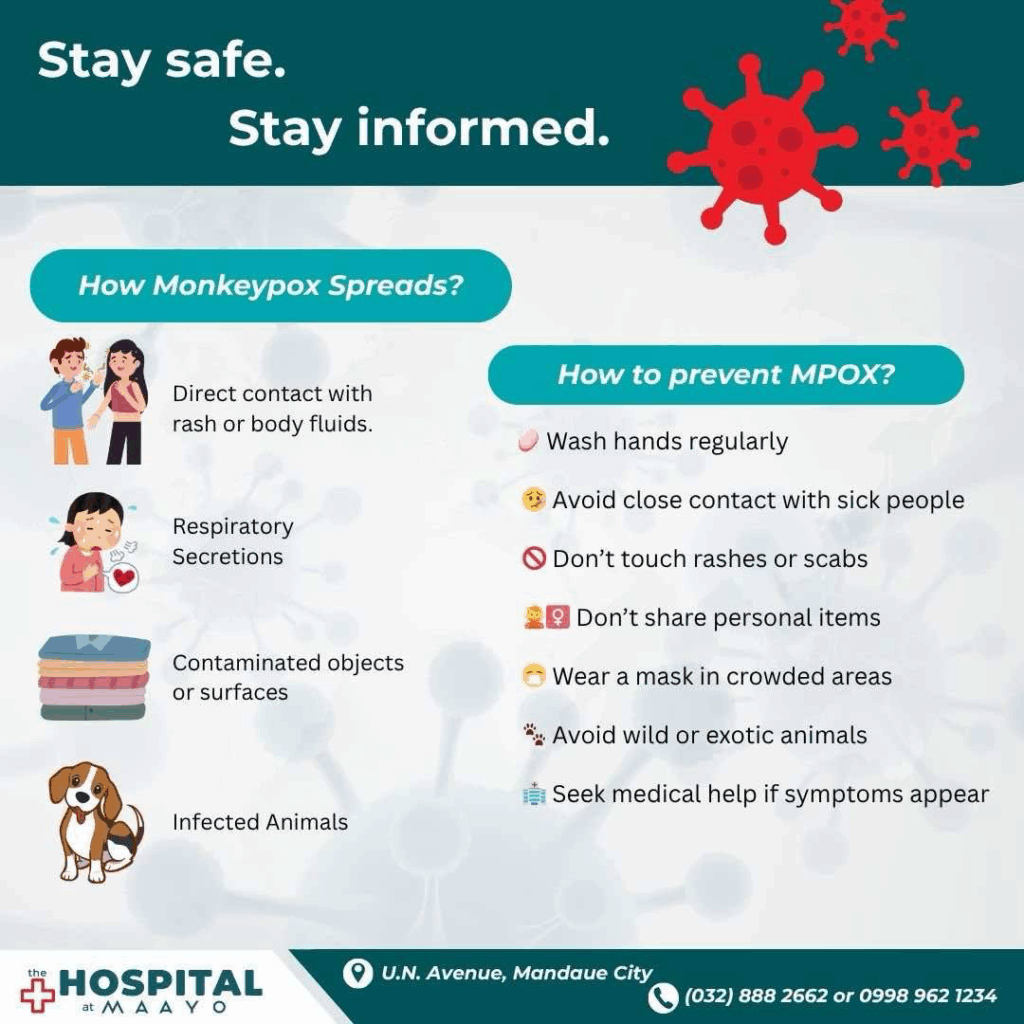
The good news is that basic hygiene and cautious behavior go a long way in reducing your risk. Here’s a gentle checklist:
- Wash hands regularly – It’s simple, it’s effective, and it works.
- Avoid close contact with sick individuals – Keep a healthy distance.
- Do not touch rashes or scabs, even if they look harmless.
- Don’t share personal items, especially towels or grooming tools.
- Wear a mask in crowded areas, particularly if respiratory symptoms are present.
- Avoid handling wild or exotic animals, especially if they look sick.
- Seek medical help immediately if symptoms appear.
If you notice any unusual rashes or are experiencing flu-like symptoms, don’t wait it out. It’s better to be safe than sorry.
Feeling Unwell? Here’s What to Do
If you suspect that you may have MPOX or have been in close contact with someone who might be infected, isolate yourself as a precaution and seek medical help right away.
The Emergency Room (ER) at The Hospital at Maayo encourages anyone experiencing symptoms to call ahead before visiting. This allows their medical team to take proper precautions and ensure the safety of other patients and staff. Call (032) 888 2662 or 0998 962 1234 to consult with a medical professional.
There’s no need to panic, but there is every reason to stay alert. Staying aware, taking early action, and keeping health habits in check can make all the difference.
Whether you’re caring for yourself or protecting your community, a little awareness goes a long way.